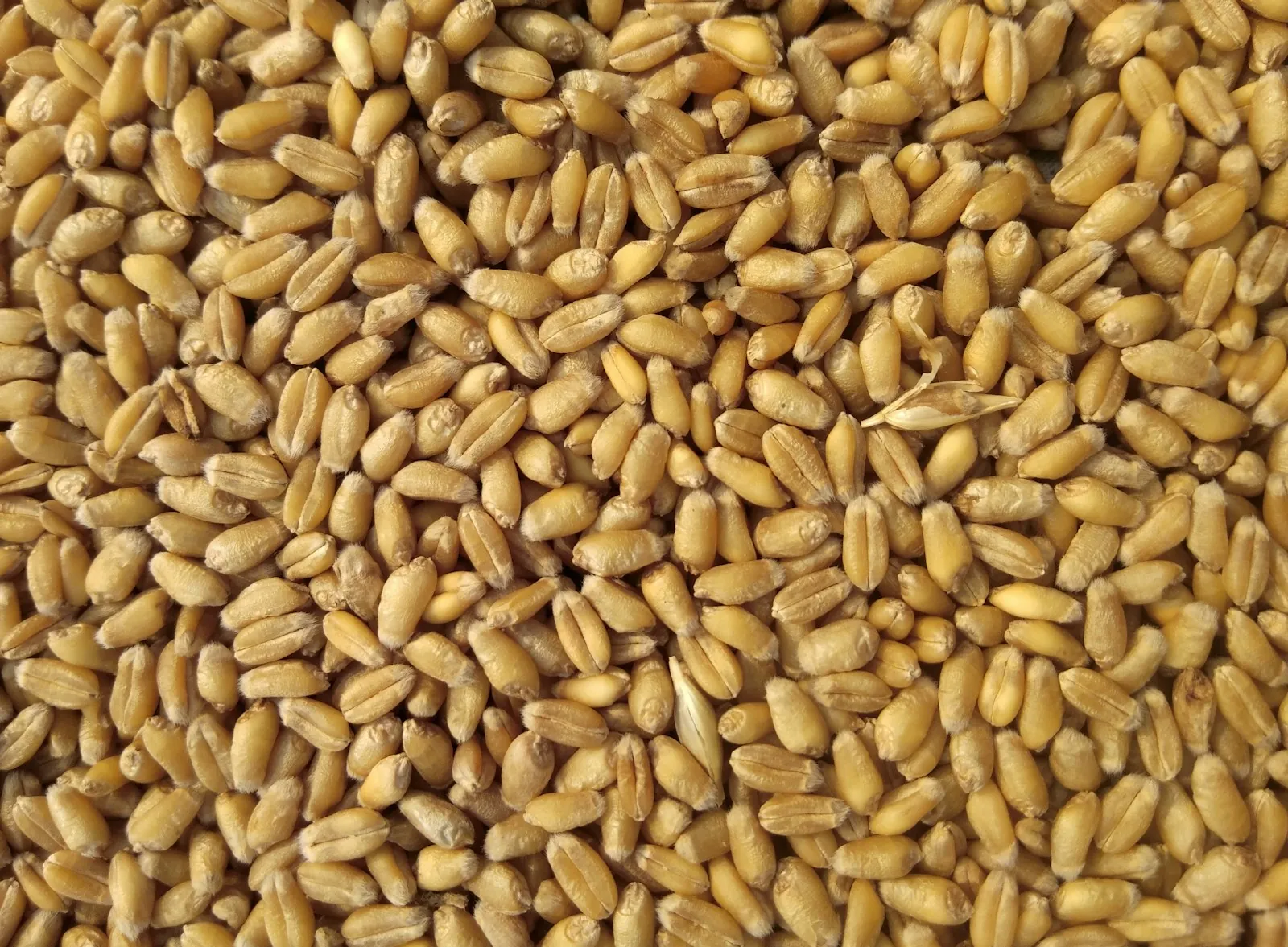
Buying your own grain mill is the decision that separates brewers who sometimes buy pre-crushed grain from brewers who buy in bulk and mill fresh on brew day. Fresh-crushed grain has noticeably more aroma from specialty malts and more predictable extraction than grain crushed days or weeks ago. The Adventures in Homebrewing Cereal Killer Grain Mill at under $110 is the most common entry point. This guide covers when the investment makes sense, how to set the gap for your process, and when to upgrade to the three-roller Monster Mill MM3 Three-Roller Grain Mill.
Quick answer
The Adventures in Homebrewing Cereal Killer Grain Mill is the best grain mill for most homebrewers starting out -- adjustable gap, drill-compatible, durable rollers, and under $110. All-grain brewers doing 10-gallon batches or wanting hands-free operation should look at the Monster Mill MM3 Three-Roller Grain Mill with a motor kit. The Barley Crusher Malt Mill 7-lb Hopper is a proven alternative with a larger hopper for fewer interruptions on big grain bills.
This guide contains affiliate links. BrewMason may earn a commission at no cost to you.
When buying a grain mill makes sense
A grain mill pays for itself on two conditions: you brew all-grain consistently, and you care about repeatability. If you brew extract or partial-mash, you do not need a mill. If you buy pre-crushed grain from a local homebrew shop and brew within 24 hours of purchase, a mill is a convenience upgrade rather than a necessity.
Where a mill genuinely earns its keep is bulk grain purchasing. Whole uncrushed malt stores for months to years in a sealed container. Pre-crushed grain stales in days to weeks. If you buy a 55 lb sack of base malt -- which drops per-pound cost significantly -- you need a mill to crush it fresh as you brew.
The Adventures in Homebrewing Cereal Killer Grain Mill is the right starting point at under $110. It is adjustable from BIAB-fine to traditional-mash-tun-coarse, drill-compatible, and uses knurled steel rollers that outlast the softer roller steel in some competing mills.

Adventures in Homebrewing Cereal Killer Grain Mill
The most recommended beginner two-roller mill at around $100, with adjustable roller gap, drill-compatible shaft, and knurled hardened steel rollers that outlast softer alternatives.
Two-roller versus three-roller: understanding the difference
A two-roller mill like the Adventures in Homebrewing Cereal Killer Grain Mill or Barley Crusher Malt Mill 7-lb Hopper passes grain through one pair of rollers. You set the gap, grain falls through, and the grist quality depends entirely on how well you set and maintain that single gap. At the right setting two rollers produce excellent results for the vast majority of homebrew styles.
A three-roller mill like the Monster Mill MM3 Three-Roller Grain Mill uses two sets of rollers in sequence. The first pair cracks the grain, the second pair refines the crush. This produces a more uniform grist because any grain that passes through the first pair incompletely gets processed again. The practical result is higher mash efficiency -- typically 2 to 5 percent higher extraction on comparable grain bills.
The Monster Mill MM3 Three-Roller Grain Mill is compatible with a direct-drive motor kit that mounts to the mill frame and drives it without a drill. This is the setup for brewers who mill large grain bills and want hands-free operation. The Barley Crusher Malt Mill 7-lb Hopper and KegLand Two-Roller Grain Mill with Large Hopper are drill-powered with larger hoppers that reduce refill frequency on big grain bills.
Adventures in Homebrewing Cereal Killer Grain Mill
The most recommended beginner two-roller mill at around $100, with adjustable roller gap, drill-compatible shaft, and knurled hardened steel rollers that outlast softer alternatives.
Barley Crusher Malt Mill 7-lb Hopper
One of the oldest and most established homebrewing grain mills with a solid 6061 aluminum body and a 7-pound grain hopper, drill-compatible and adjustable.
Monster Mill MM3 Three-Roller Grain Mill
A premium three-roller mill that passes grain through two crush stages for exceptional uniformity and higher mash efficiency, compatible with a direct-drive motor kit.
KegLand Two-Roller Grain Mill with Large Hopper
An affordable two-roller mill from KegLand with a large hopper and solid build, drill-compatible and gap-adjustable for all-grain and BIAB brewing.
Matching the mill to your batch size and system
For 1-gallon small batches, a mill is rarely worth buying. Crush from your homebrew shop is fine for this scale. If you insist on milling fresh at home, the KegLand Two-Roller Grain Mill with Large Hopper is the most affordable option and handles small quantities without waste.
For 5-gallon all-grain batches using a mash tun or electric all-in-one system like the Anvil Foundry 6.5-Gallon All-in-One Brewing System, the Adventures in Homebrewing Cereal Killer Grain Mill is the clear recommendation -- adjustable, drill-compatible, and the right price point. BIAB brewers using the Anvil Foundry should set the gap slightly finer than a traditional mash would use.
For 10-gallon all-grain batches, the Barley Crusher Malt Mill 7-lb Hopper larger hopper becomes more useful -- fewer refills on a 20-pound grain bill. If you want the best crush quality and hands-free operation at this scale, the Monster Mill MM3 Three-Roller Grain Mill with a motor kit is the premium investment that delivers meaningfully better consistency.
Adventures in Homebrewing Cereal Killer Grain Mill
The most recommended beginner two-roller mill at around $100, with adjustable roller gap, drill-compatible shaft, and knurled hardened steel rollers that outlast softer alternatives.
Barley Crusher Malt Mill 7-lb Hopper
One of the oldest and most established homebrewing grain mills with a solid 6061 aluminum body and a 7-pound grain hopper, drill-compatible and adjustable.
Monster Mill MM3 Three-Roller Grain Mill
A premium three-roller mill that passes grain through two crush stages for exceptional uniformity and higher mash efficiency, compatible with a direct-drive motor kit.
KegLand Two-Roller Grain Mill with Large Hopper
An affordable two-roller mill from KegLand with a large hopper and solid build, drill-compatible and gap-adjustable for all-grain and BIAB brewing.

Anvil Foundry 6.5-Gallon All-in-One Brewing System
The best-value all-in-one electric brewing system for 5-gallon batches, dual-voltage (120V or 240V), stainless construction, recirculating pump, and digital temperature controller.
Adventures in Homebrewing Cereal Killer Grain Mill
The most recommended beginner two-roller mill at around $100, with adjustable roller gap, drill-compatible shaft, and knurled hardened steel rollers that outlast softer alternatives.
Barley Crusher Malt Mill 7-lb Hopper
One of the oldest and most established homebrewing grain mills with a solid 6061 aluminum body and a 7-pound grain hopper, drill-compatible and adjustable.
Monster Mill MM3 Three-Roller Grain Mill
A premium three-roller mill that passes grain through two crush stages for exceptional uniformity and higher mash efficiency, compatible with a direct-drive motor kit.
KegLand Two-Roller Grain Mill with Large Hopper
An affordable two-roller mill from KegLand with a large hopper and solid build, drill-compatible and gap-adjustable for all-grain and BIAB brewing.
Anvil Foundry 6.5-Gallon All-in-One Brewing System
The best-value all-in-one electric brewing system for 5-gallon batches, dual-voltage (120V or 240V), stainless construction, recirculating pump, and digital temperature controller.
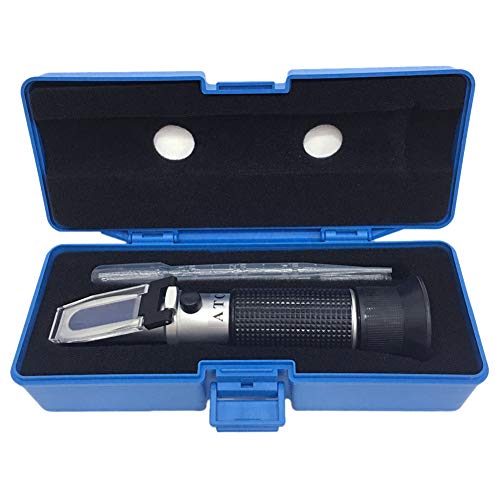
ATC Refractometer Dual-Scale Brix and Specific Gravity
An automatic temperature-correcting refractometer with dual Brix and specific gravity scales for quick gravity checks on hot wort without cooling a sample.

Apera Instruments AI209 pH Tester Kit
The most recommended homebrewing pH meter under $50 -- accurate to plus or minus 0.1 pH, waterproof, with calibration buffer solutions included.
FAQ
Frequently asked questions
What gap setting should I use for BIAB brewing?+
For BIAB, you can set a finer gap than traditional mash tun brewing, typically 0.025 to 0.030 inches. BIAB does not rely on the grain bed as a filter, so a finer crush is acceptable and improves extraction efficiency. For a traditional mash tun with a false bottom, keep the gap at 0.035 to 0.040 inches to preserve husk integrity for lautering.
Do I need a motorized grain mill?+
Not to start. A corded drill driving the Adventures in Homebrewing Cereal Killer Grain Mill or Barley Crusher Malt Mill 7-lb Hopper handles any size grain bill a homebrewer is likely to run. A motor kit becomes appealing when you mill 10-plus pounds of grain frequently and want hands-free operation. The Monster Mill MM3 Three-Roller Grain Mill paired with a direct-drive motor is the premium hands-free setup for high-volume brewers.
How do I know if my grain mill gap is set correctly?+
Look at the crushed grain: you want cracked husks with the interior of the grain broken into small pieces but not ground to flour. A correct crush has mostly intact husk pieces, some lightly cracked endosperm chunks, and very little fine powder. Too coarse and you see uncracked kernels. Too fine and you see powder and shredded husks that will clog a false bottom.