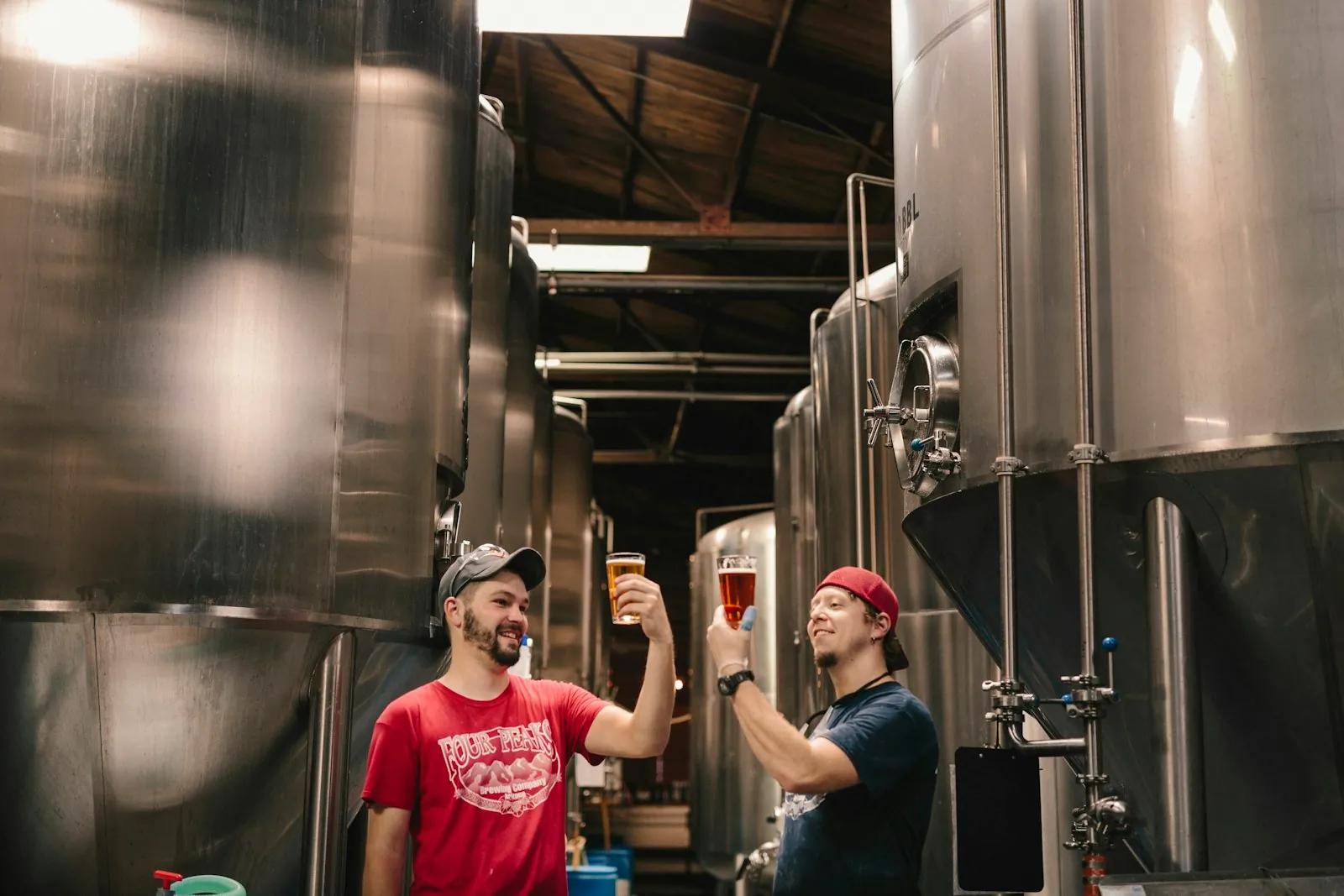
Measuring without guessing is what separates repeatable brewing from lucky brewing. Three instruments cover nearly everything you need: a Triple Scale Alcohol Hydrometer and Test Jar Kit for gravity, an ATC Refractometer Dual-Scale Brix and Specific Gravity for quick wort-day readings, and an Apera Instruments AI209 pH Tester Kit for mash pH. A calibrated thermometer like the Thermoworks Thermapen ONE Instant-Read Thermometer rounds out the kit. This guide explains what each tool measures, when to use it, and exactly which products to buy based on your batch size and experience level.
Quick answer
Every homebrewer needs a hydrometer for final gravity readings, a refractometer for quick wort-day gravity checks, and a pH meter if brewing all-grain. The Apera Instruments AI209 pH Tester Kit, ATC Refractometer Dual-Scale Brix and Specific Gravity, and Triple Scale Alcohol Hydrometer and Test Jar Kit together cost under $80 and cover the measurement needs of any 5-gallon batch. Add the Thermoworks Thermapen ONE Instant-Read Thermometer when you want the most accurate strike and mash temperature readings available.
This guide contains affiliate links. BrewMason may earn a commission at no cost to you.
Hydrometer: the gravity standard
The Triple Scale Alcohol Hydrometer and Test Jar Kit is the first measurement tool every homebrewer should own. It measures specific gravity -- how much denser the liquid is than water, which tells you how much sugar is in the wort before fermentation and how much is left after. From those two numbers you calculate alcohol content and confirm the fermentation is complete.
Hydrometers need a cooled sample. Hot wort expands and gives a falsely low gravity reading. Most hydrometers are calibrated at 60 or 68 degrees F -- check your hydrometer calibration temperature and use a correction formula if your sample is warmer. The test jar included in the kit gives you enough volume to float the hydrometer without touching the sides.
The glass construction is the main limitation. Hydrometers break when dropped. Buy two when you set up your measurement kit -- they cost $10 to $15 each and the second one is there when the first one shatters on a concrete floor.
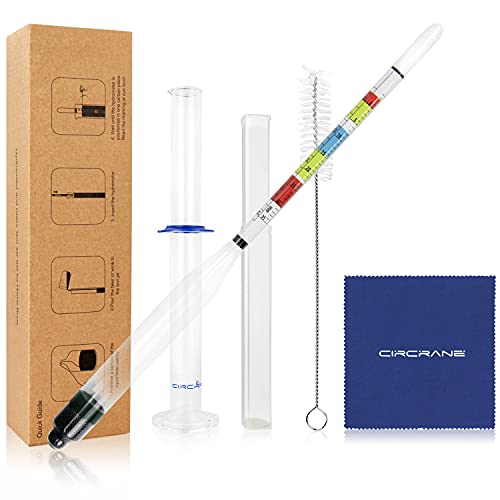
Triple Scale Alcohol Hydrometer and Test Jar Kit
The traditional 3-scale hydrometer measuring specific gravity, Brix, and potential alcohol, paired with a 250ml graduated test jar -- the baseline measurement tool for any homebrewer.
Refractometer: quick wort-day gravity checks
The ATC Refractometer Dual-Scale Brix and Specific Gravity reads gravity from a single drop of liquid held between a glass prism and a cover plate. You look through the eyepiece at a light source and read the gravity from the scale visible in the optic. The whole process takes about 10 seconds and works on hot wort without cooling the sample.
Automatic temperature compensation corrects for most normal temperature variation, but not for extreme temperatures above 100 degrees F. Let a drop cool on the prism for 30 seconds before reading from very hot wort. Calibrate the refractometer with distilled water before first use.
Use the refractometer during your brew day for pre-boil gravity checks, post-boil checks, and for monitoring gravity during active fermentation with a correction calculator. Use a hydrometer for final gravity once fermentation is complete.
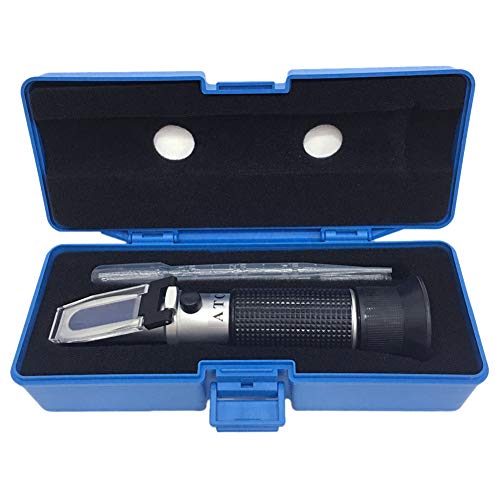
ATC Refractometer Dual-Scale Brix and Specific Gravity
An automatic temperature-correcting refractometer with dual Brix and specific gravity scales for quick gravity checks on hot wort without cooling a sample.
Triple Scale Alcohol Hydrometer and Test Jar Kit
The traditional 3-scale hydrometer measuring specific gravity, Brix, and potential alcohol, paired with a 250ml graduated test jar -- the baseline measurement tool for any homebrewer.
pH meter: the most important all-grain tool
For all-grain brewers, mash pH is the variable that most novices overlook and most experienced brewers monitor carefully. A mash at 5.2 to 5.4 pH produces the best enzyme activity and the cleanest flavor contribution from grain. Outside that range, efficiency drops and off-flavors creep in.
The Apera Instruments AI209 pH Tester Kit is the community default for homebrewing. Accurate to plus or minus 0.1 pH, waterproof, and under $50 with calibration buffers included. For advanced brewers making pH-sensitive styles -- hazy IPAs where pH affects hop character, lagers where mineral clarity is critical -- the Apera Instruments PH60 Premium pH Pocket Tester steps up to plus or minus 0.01 pH accuracy with a replaceable glass probe.
Store the probe in the included storage solution cap, not in distilled water. Distilled water leaches ions from the probe gel and shortens its life. Keep buffer solutions in the fridge and replace them every few months.

Apera Instruments AI209 pH Tester Kit
The most recommended homebrewing pH meter under $50 -- accurate to plus or minus 0.1 pH, waterproof, with calibration buffer solutions included.

Apera Instruments PH60 Premium pH Pocket Tester
The step-up Apera pH meter with accuracy to plus or minus 0.01 pH, a replaceable glass probe, and a waterproof design for serious all-grain brewers who want the best mash pH precision.
Thermometers: accuracy matters more than most brewers think
Strike water temperature determines mash temperature. Miss your strike by 5 degrees and your mash runs at the wrong temperature for the entire conversion rest. The dial thermometers built into many brew kettles are often off by 3 to 5 degrees -- verify them with a calibrated digital probe before trusting them.
The Thermoworks Thermapen ONE Instant-Read Thermometer is the gold standard in instant-read thermometers. It reads accurate temperature in one second, is waterproof, and is accurate to plus or minus 0.5 degrees F across the full temperature range from cold crash to hot wort. For homebrewers who brew weekly, the cost -- around $100 -- is justified by the accuracy on every batch.
For budget monitoring -- watching fermentation temperature remotely or checking wort temperature without a premium instrument -- the Inkbird IBT-2X Bluetooth Meat and Wort Thermometer is a practical low-cost option. Its probe handles both wort temperatures and fermentation monitoring via a Bluetooth phone app.

Thermoworks Thermapen ONE Instant-Read Thermometer
The gold-standard instant-read thermometer used by professional brewers and competitive cooks alike -- reads accurate temperature in one second with a waterproof probe.

Inkbird IBT-2X Bluetooth Meat and Wort Thermometer
A Bluetooth probe thermometer that works as a budget fermentation monitor and wort temperature tracker, reading via a phone app with up to 150-foot range.
Apera Instruments AI209 pH Tester Kit
The most recommended homebrewing pH meter under $50 -- accurate to plus or minus 0.1 pH, waterproof, with calibration buffer solutions included.
ATC Refractometer Dual-Scale Brix and Specific Gravity
An automatic temperature-correcting refractometer with dual Brix and specific gravity scales for quick gravity checks on hot wort without cooling a sample.
Triple Scale Alcohol Hydrometer and Test Jar Kit
The traditional 3-scale hydrometer measuring specific gravity, Brix, and potential alcohol, paired with a 250ml graduated test jar -- the baseline measurement tool for any homebrewer.
Thermoworks Thermapen ONE Instant-Read Thermometer
The gold-standard instant-read thermometer used by professional brewers and competitive cooks alike -- reads accurate temperature in one second with a waterproof probe.
Inkbird IBT-2X Bluetooth Meat and Wort Thermometer
A Bluetooth probe thermometer that works as a budget fermentation monitor and wort temperature tracker, reading via a phone app with up to 150-foot range.
Apera Instruments PH60 Premium pH Pocket Tester
The step-up Apera pH meter with accuracy to plus or minus 0.01 pH, a replaceable glass probe, and a waterproof design for serious all-grain brewers who want the best mash pH precision.
FAQ
Frequently asked questions
Do I need a pH meter if I brew extract beers?+
Not usually. Extract beers use concentrated wort that has already been mashed at the manufacturer facility with proper pH. Your pH variability as an extract brewer is lower. pH meters become essential for all-grain brewers who control their own mash chemistry -- the difference between a mash at 5.2 and one at 5.6 pH is measurable in efficiency and flavor, especially in light lagers and hoppy beers.
Can I use a refractometer to measure final gravity?+
Not accurately. Alcohol changes the refractive index of the sample, which throws off the refractometer reading after fermentation begins. Use a refractometer for pre-fermentation gravity readings and wort-day checks. Use a hydrometer or gravity calculator with a correction formula for final gravity readings. Most brewing software has a refractometer correction calculator.
How often should I calibrate my pH meter?+
Before every brewing session. pH meter probes drift over time and with temperature changes. Calibrate with fresh pH 4.0 and 7.0 buffer solutions at the beginning of each session. If your buffer solutions are more than a few months old, replace them. Expired buffers give false calibration points that make your readings unreliable.